
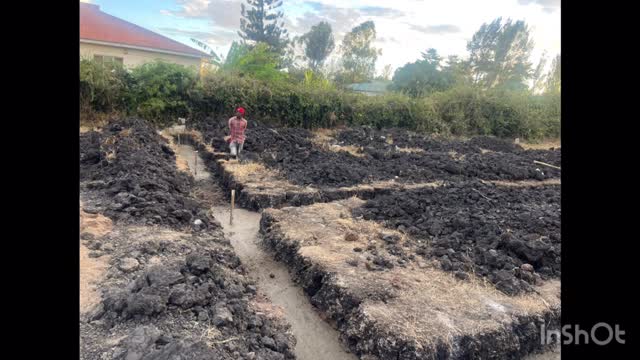
A Complete Guide to Foundation Construction
The foundation is arguably the most critical component of any building. It transfers the weight of the structure to the ground, provides stability, and protects against moisture and soil movement. Understanding foundation construction is essential for anyone involved in building projects.
Why Foundations Matter
A properly constructed foundation ensures the longevity and safety of a building. Foundation failures can lead to cracked walls, uneven floors, stuck doors and windows, and in severe cases, structural collapse. Investing in quality foundation work from the start prevents expensive repairs and safety hazards later.
Types of Foundations
Shallow Foundations
Shallow foundations are used when stable soil is found near the surface. Common types include:
- Strip Foundations: Continuous strips of concrete that support load-bearing walls
- Pad Foundations: Individual concrete pads that support columns or concentrated loads
- Raft Foundations: Large concrete slabs that distribute the building load across a wide area
Deep Foundations
Deep foundations are necessary when stable soil is found only at greater depths. Types include:
- Pile Foundations: Long columns driven or drilled into the ground to reach stable soil or rock
- Drilled Shafts: Large-diameter concrete columns cast in place
- Caissons: Watertight structures used for construction below water level
Site Investigation
Before foundation design begins, a thorough site investigation is essential. This includes soil testing to determine bearing capacity, groundwater level assessment, and analysis of any potential hazards such as unstable slopes or contaminated soil.
Foundation Design Considerations
Several factors influence foundation design:
- Building loads: The weight and type of structure
- Soil conditions: Bearing capacity and composition
- Water table: Groundwater level and drainage
- Climate: Frost depth and seasonal variations
- Local codes: Building regulations and requirements
Construction Process
Excavation
The first step involves excavating to the required depth, ensuring proper dimensions and level surfaces.
Formwork
Wooden or metal forms are constructed to shape the concrete pour.
Reinforcement
Steel reinforcing bars (rebar) are placed according to engineering specifications.
Concrete Pouring
High-quality concrete is poured into the forms, ensuring proper consolidation and no air pockets.
Curing
The concrete must cure properly, typically for at least seven days, to achieve full strength.
Waterproofing
Waterproofing membranes and drainage systems protect the foundation from moisture damage.
Common Foundation Problems
- Settlement and sinking
- Cracking due to soil movement
- Water infiltration
- Frost heave damage
Quality Assurance
Professional foundation construction includes quality control measures such as soil testing, concrete strength testing, and inspection at critical stages. At Tujenge Construction, we follow rigorous quality protocols to ensure every foundation we build provides a solid base for years to come.