
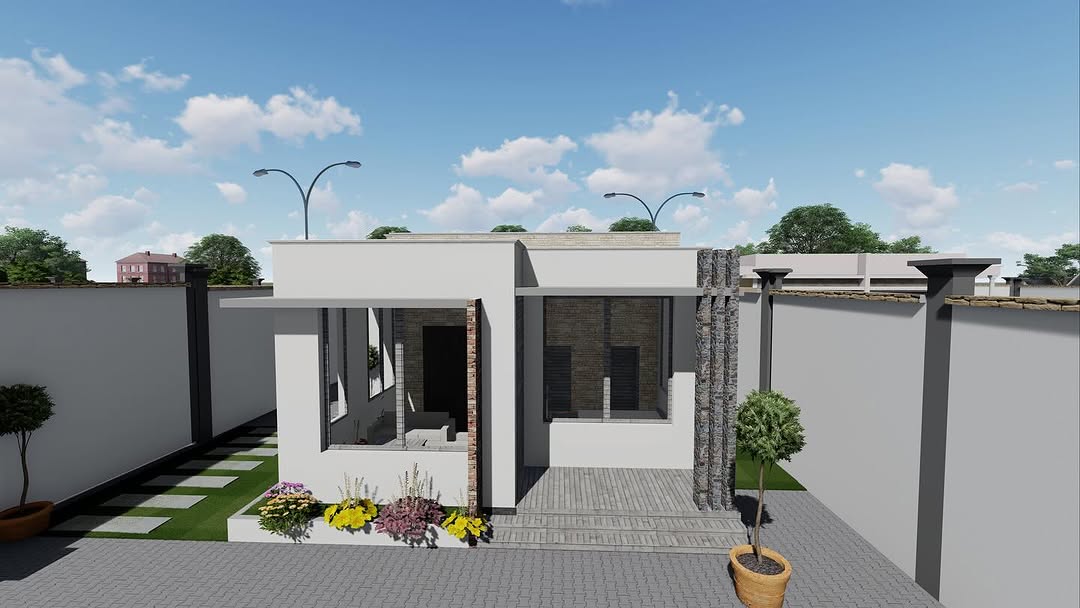
Integrating Smart Home Technology in Construction
The concept of the smart home has evolved from a futuristic dream to an accessible reality. Today's homeowners in Tanzania and across East Africa are increasingly requesting smart technology integration in their new construction projects. Understanding how to incorporate these systems effectively is essential for modern builders.
What Makes a Home Smart?
A smart home uses connected devices and systems that can be controlled remotely or automated to perform tasks. These include lighting systems, climate control, security cameras, door locks, and entertainment systems. When properly integrated during construction, these technologies create homes that are more comfortable, secure, and energy-efficient.
Planning for Smart Technology
The key to successful smart home integration lies in planning. During the design phase, builders must consider the placement of networking infrastructure, including ethernet cables, wireless access points, and centralized control hubs. Retrofitting these systems later is significantly more expensive and less effective than installing them during initial construction.
Essential Smart Home Systems
Lighting Control
Smart lighting systems allow homeowners to control lights remotely, set schedules, and adjust brightness and color temperature. During construction, this requires proper wiring and the installation of compatible switches and fixtures.
Climate Control
Smart thermostats and HVAC systems learn occupant preferences and optimize energy usage. Integration requires compatible heating and cooling systems and proper placement of sensors throughout the home.
Security Systems
Modern security systems include smart locks, video doorbells, motion sensors, and surveillance cameras. These require careful planning of camera placement, door hardware specifications, and reliable power and internet connectivity.
Energy Management
Smart energy systems monitor and optimize electricity usage, often integrating with solar panels and battery storage. This requires specialized electrical work and the installation of smart meters and monitoring equipment.
Network Infrastructure
A robust network is the backbone of any smart home. This includes high-speed internet connectivity, mesh Wi-Fi systems for complete coverage, and structured cabling that supports current and future technologies.
Future-Proofing Your Construction
Technology evolves rapidly, so it's important to future-proof smart home installations. This means installing conduit for easy cable upgrades, choosing open-protocol systems that work with multiple devices, and ensuring adequate electrical capacity for additional devices.
Working with Tujenge Construction
At Tujenge Construction, we have experience integrating smart home technology into our residential projects. Our team works closely with clients to understand their technology needs and ensures that all systems are properly installed and configured for optimal performance.